Non-Governmental Organisation for a New Era in Iran
Norouz works to support victims of human rights violations in Iran, promoting justice, information and humanitarian action, using various means, including events and publications, to encourage solidarity and truth.
Norouz, which means « new day », is an ancient festival marking the first day of spring and the renewal of nature.
For three thousand years, Norouz has celebrated the victory of spring over darkness, and promoted the values of peace and solidarity between generations and within families. Norouz bears witness to the cultural diversity of humankind and contributes to friendship between peoples and different communities.
The recognition of Norouz by UNESCO in 2016 as part of the intangible cultural heritage of humanity bears witness to its universal importance.
Building bridges through solidarity and mutual support
Norouz places the expertise and experience of its members and partners at the disposal of victims and undertakes and encourages any action in favour of mutual aid, solidarity, memorial justice and the truth.
In order to fulfil its purpose, Norouz may act directly or indirectly, by any legal means and, in particular, by organising events, publications, productions and promotional activities.
Norouz has a very strict apolitical approach to ensure that the objectives set out in its articles of association can be achieved by all its members, regardless of their religious and political views, as long as those views are compatible with the universal values of human rights.
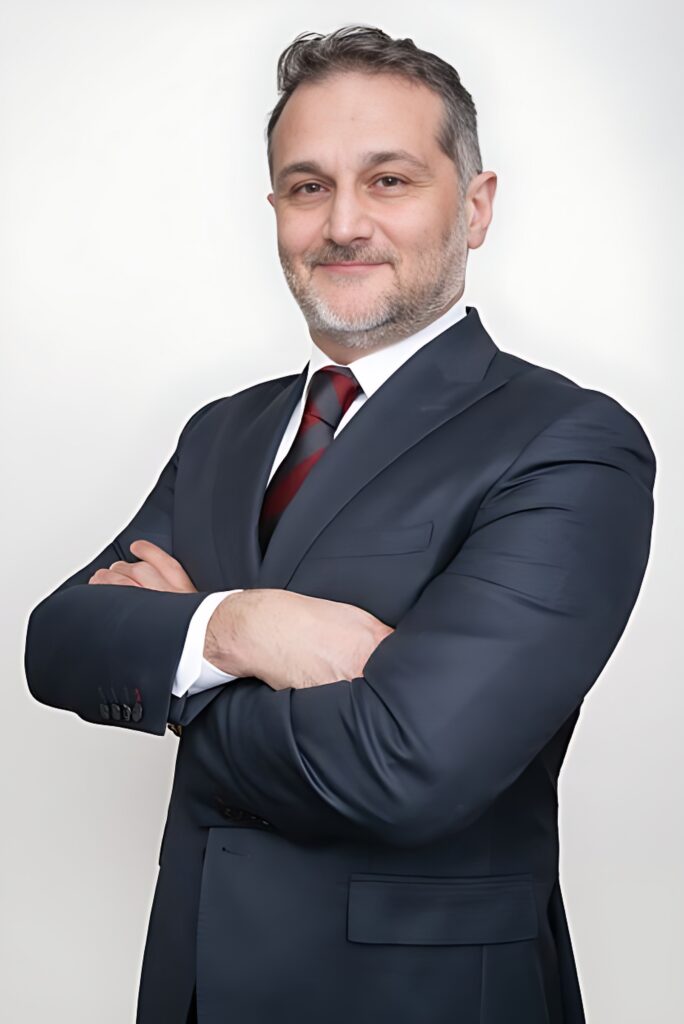
PRESIDENT
LAWYER AT THE PARIS BAR,
FORMER MEMBER OF THE PARIS BAR COUNCIL, FORMER MEMBER OF THE NATIONAL BAR COUNCIL, RECIPIENT OF THE 2023 INTERNATIONAL SECULARISM PRIZE
Engareh ALIREZAEI
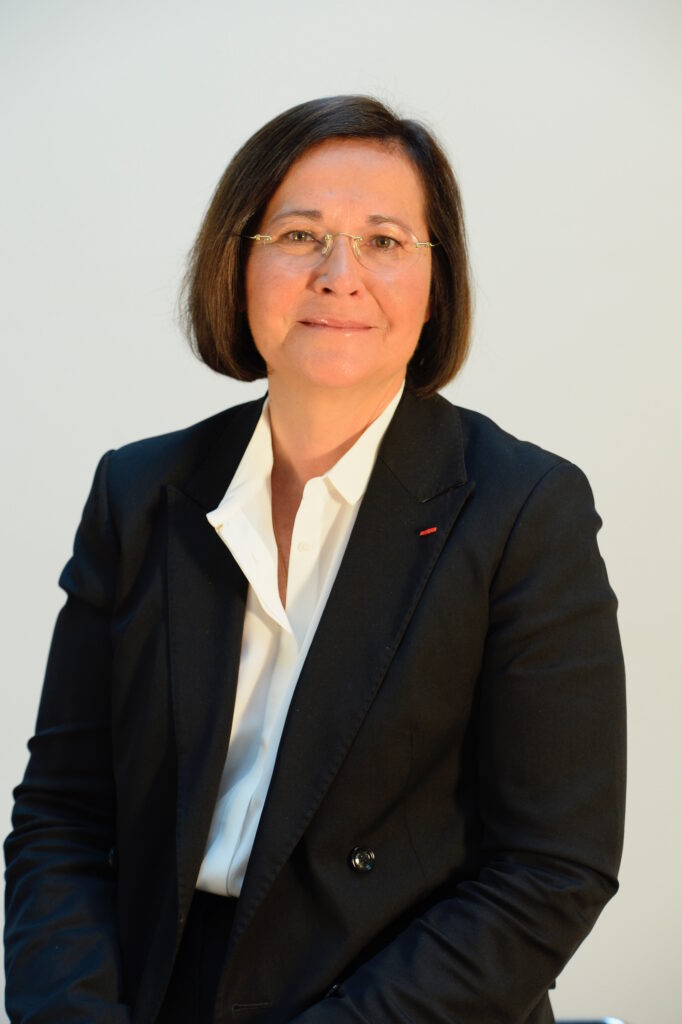
VICE-PRESIDENTE
HUMAN RIGHTS ACTIVIST
Xavier-Jean KEÏTA
VICE-PRESIDENT LAWYER AT THE PARIS COURT OF APPEAL, FORMER SENIOR COUNSEL AT THE INTERNATIONAL CRIMINAL COURT
Hilda SCHMIT
HUMAN RIGHTS ACTIVIST, RECIPIENT OF THE 2023 INTERNATIONAL SECULARISM PRIZE
Richard SEDILLOT
LAWYER AT THE ROUEN BAR AND SPOKESPERSON FOR ENSEMBLE CONTRE LA PEINE DE MORT (ENSEMBLE AGAINST THE DEATH PENALTY)
BATTONIER,
PRESIDENT OF THE EUROPEAN AND INTERNATIONAL AFFAIRS COMMISSION OF THE CNB,
FORMER VICE PRESIDENT OF THE NATIONAL BAR COUNCIL
ECPM
ENSEMBLE CONTRE LA PEINE DE MORT (ENSEMBLE AGAINST THE DEATH PENALTY)
Our supporters & partners
They talk about us
Would you like to contact us?
Norouz has a very strict apolitical approach to ensure that the objectives set out in its articles of association can be achieved by all its members, regardless of their religious and political views, as long as those views are compatible with the universal values of human rights.
Face aux crimes du régime, documenter les faits est devenu un devoir de mémoire autant qu’une exigence de justice.
Les 8, 9 et 10 janvier 2026, des massacres d’une ampleur et d’une violence exceptionnelles ont été perpétrés en Iran contre la population civile. En l’espace de trois jours, des dizaines de milliers de manifestants pacifiques- hommes, femmes et enfants – ont été tués lors d’opérations conduites par les Gardiens de la révolution et les forces de la République islamique.
Ces événements constituent l’une des plus grandes tragédies de l’histoire contemporaine de l’Iran. Face à ces crimes, documenter les faits est devenu un devoir de mémoire autant qu’une exigence de justice.
Réalisé par l’association Norouz, ce documentaire rassemble les analyses de juristes, les récits de survivants et de témoins directs ainsi que les travaux de défenseurs des droits de l’Homme. Il entend contribuer à la préservation des preuves, à la mémoire des victimes et à l’établissement de la vérité, afin que les responsabilités puissent être un jour établies par une juridiction indépendante et que justice soit rendue.